Estimated reading time: 8 minutes
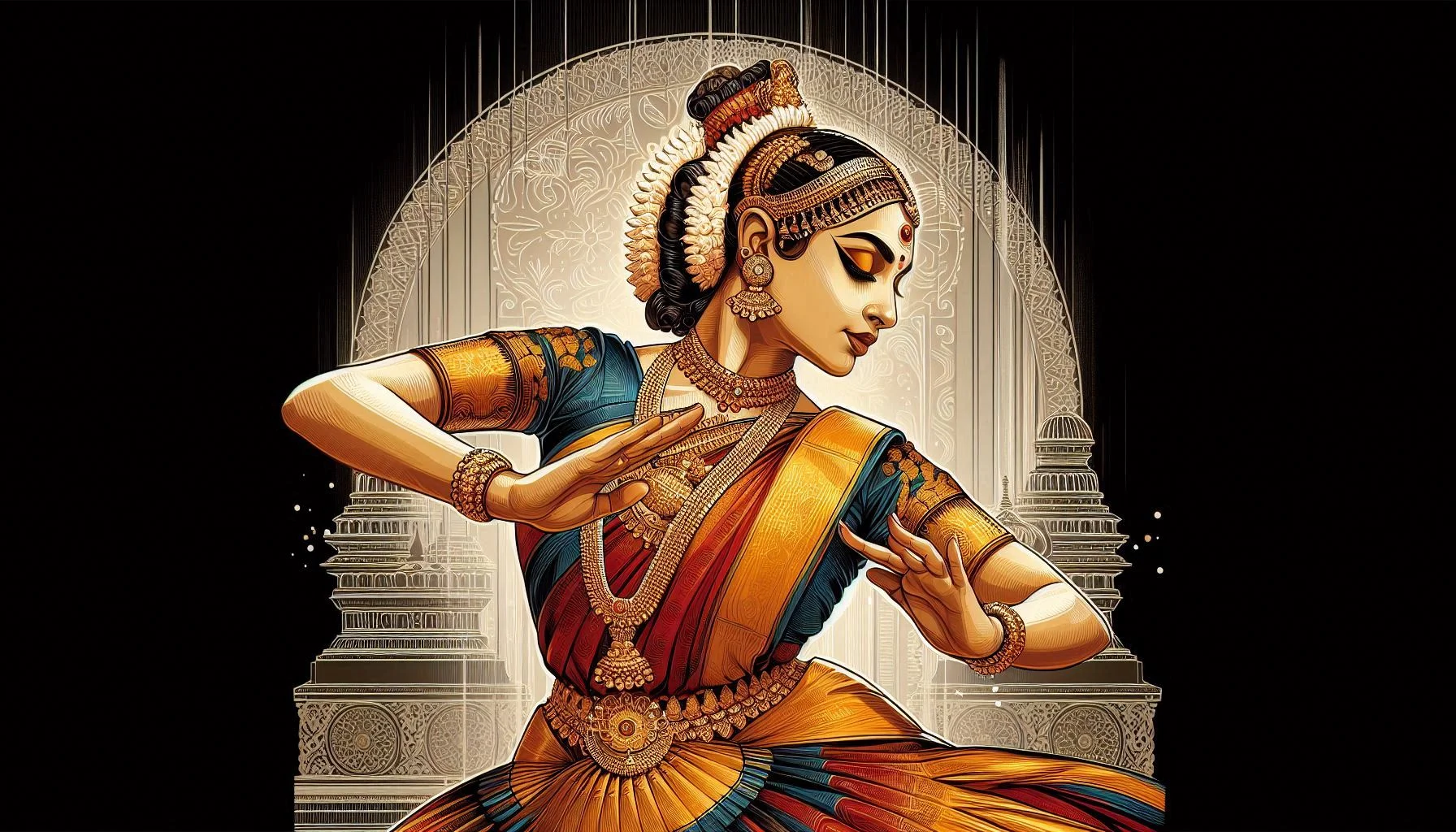
Neck movements (Grīvā Vibhakti) are one of the most powerful tools in a dancer’s repertoire. They bring life to a performance, conveying emotion, rhythm, and storytelling with subtle elegance.
In Bharatanatyam, Kathak, and other Indian classical dance forms, the movement of the neck is integral to communication.

The Natya Shastra and Abhinaya Darpana describe various types of neck movements and their significance. Understanding and mastering these movements elevates a dancer’s ability to captivate an audience. Let’s explore them in detail.
“In dance, the neck is the bridge between expression and grace.” — NatyaShastra.
Why Neck Movements Matter For Your Performance
The neck isn’t merely a bridge between head and torso. In Bharatanatyam, it’s a microphone for unspoken emotions. A flick, tilt, or tremble here can scream defiance, whisper longing, or crackle with divine ecstasy.
The Abhinayadarpana links each neck gesture to specific scenarios and emotional states—your job is to weaponize this knowledge.
Pro tip: Neck movements always follow head gestures (and vice versa). They’re dance partners, not solo acts. Ignore this synergy, and your abhinaya (expression) falls flat.
We are here, follow us.
The Four Classical Neck Movements (As Per Abhinaya Darpana)

स्वाङ्गावलोकने यानेऽप्यवलोकितमुच्यते ।
ग्रीवाभेदाः — सुन्दरी च तिरश्चीना तथैव परिवर्तिता ॥ ७९॥
svāṅgāvalokane yāne’pyavalokitamucyate |
grīvābhedāḥ — sundarī ca tiraścīnā tathaiva parivartitā || 79||
Meaning:
“Svangavalokane” refers to self-reflection or viewing one’s own body, while “yane’pyavalokitamuchyate” metaphorically extends this to viewing another’s body. “Grivabhedah” describes neck movements or distinctions, like the beautiful (“Sundari”) and slanted (“tiracchina”) movements, as well as changed or transformed (“parivartita”) positions.
1. Sundari (Graceful Side-to-Side Movement)
- Description: The neck moves horizontally, from left to right and back.
- Uses:
- Expressing affection, approval, and admiration.
- Denoting vastness and completeness in gestures.
- Commonly used in love-based abhinaya (expressive dance sequences).
- Example: If you are portraying Radha, subtly move your neck as Krishna glances at you. This adds charm and grace to the moment.
2. Tiraścīnā (Snake-Like Glide)
- Description: The neck moves in an upward diagonal motion, resembling a serpent’s gliding movement.
- Uses:
- Creating a sense of mystery or alertness.
- Often seen in nritta (pure dance) sequences.
- Used in depictions of gods like Shiva and serpentine movements.
- Example: If you are enacting a scene from the Samudra Manthan, use this movement while portraying Vasuki, the churning serpent.

Bharatanatyam Jewelry
(Complete Set)
This Bharatanatyam jewelry set includes all 10 traditional ornaments needed for classical dance performances. The red or green kemp stones add vibrant color and authentic temple jewelry styling that complements traditional costumes beautifully.
3. Parivartitā (Half-Moon Motion)
- Description: The neck moves in a semicircle, from right to left and back.
- Uses:
- Enhancing feminine elegance in Lāsya (graceful movements).
- Used in tender and romantic expressions.
- Adds fluidity to mudras (hand gestures) during storytelling.
- Example: While depicting a celestial nymph (Apsara), use Parivartitā to showcase your charm and allure.

प्रकम्पिता च भावज्ञैर्ज्ञेया ग्रीवा चतुर्विधा ।
सुन्दरी प्रीवा — तिर्यक् चञ्चलिता ग्रीवा सुन्दरीति निगद्यते ॥ ८०॥
prakampitā ca bhāvajñairjñeyā grīvā caturvidhā |
sundarī prīvā — tiryak cañcalitā grīvā sundarīti nigadyate || 80||
Meaning:
“Prakampita” means shaking or trembling, and along with other neck movements, these are to be understood (“jneya”) by experts in emotions (“bhavajnaih”). The neck (“griva”) is described as fourfold (“chaturvidha”), including beautiful (“Sundari”), favorable (“Preeva”), horizontal (“Tiryak”), and restless (“Chanchalita”) movements, with the graceful neck movement being specifically called “Sundari”.
4. Prakampitā (Pigeon-Like Forward & Backward Motion)
- Description: The neck moves forward and backward in a rhythmic fashion.
- Uses:
- Conveying agreement or beckoning someone.
- Expressing playfulness and flirtation in abhinaya.
- Representing folk-dance elements and swinging gestures.
- Example: In a traditional Gopis dance, playful teasing of Krishna can be accentuated with Prakampitā movements.
Explore Samyuta and Asamyuta Hastas
The Nine Neck Movements (As Per Natya Shastra)
Beyond the four primary movements, the Natya Shastra classifies nine neck gestures, each holding specific expressive power.

अतः परं प्रवक्ष्यामि ग्रीवाकर्माणि वै द्विजाः ! ।
समा नतोन्नता त्र्यस्रा रेचिता कुञ्चिताञ्चिता ॥ १७१॥
ataḥ paraṃ pravakṣyāmi grīvākarmāṇi vai dvijāḥ ! |
samā natonnatā tryasrā recitā kuñcitāñcitā || 171||
Meaning:
“Now I shall explain the neck movements, O learned ones!They are: Samā, Natā, Unnatā, Tryasrā, Recitā, Kuñcitā, and Añcita.”
1. Samā (Natural Neck)
- A neutral neck position, used in meditation and stillness.
2. Natā (Downward Tilted Neck)
- Used in acts of humility, respect, or adjusting jewelry.
3. Unnatā (Upward Tilted Neck)
- Denotes looking at the sky, divine admiration, or wonder.
4. Tryasrā (Sideways Tilted Neck)
- Used to indicate carrying weight or expressing sorrow.
5. Recitā (Shaken or Moved Neck)
- Depicts strong emotions, anger, or excitement in dance.
6. Kuñcitā (Neck Turned Back)
- Represents burden or protection.
7. Añcitā (Sharply Bent Neck)
- Used in looking at something high or adjusting the hair.
8. Vālitā (Sideways Turned Neck)
- Denotes curiosity or watching from the side.
9. Nivṛttā (Returning to Neutral Neck Position)
- Signals returning to a central or resting position.
How to Practice Neck Movements
Neck movements must be fluid, controlled, and synchronized with the rest of the body. Here are some key principles for mastering them:
1. Start With Isolations
- Practice moving just the neck without engaging the shoulders.
- Use a mirror to check symmetry and control.
2. Sync With Expressions (Bhāva)
- Every movement should complement the dancer’s emotions.
- Example: A slow Sundarī movement with a soft smile enhances romantic storytelling.
3. Integrate With Rhythm (Laya)
- Combine neck movements with proper timing and musical beats.
- Example: Prakampitā is often used in nritta sequences with fast-paced rhythms.
4. Enhance Storytelling (Abhinaya)
- Use Tiraścīnā to create a dramatic effect in mythological tales.
- Parivartitā can depict a queen’s graceful glance or a deity’s compassion.
Frequently Asked Questions
In Bharatanatyam, Grīva Bheda (neck movements) includes four types.
– Sundarī (side-to-side)
– Tiraścīnā (snake-like upward movement)
– Parivartitā (semi-circular movement), and
– Prakampitā (back-and-forth movement).
Neck movements should be controlled, graceful, and coordinated with the head, eyes, and emotions. The movements originate from the base of the neck, ensuring fluidity. Regular practice with a mirror helps in refining precision.
According to the Nāṭyaśāstra, there are nine types of neck movements. Learn how to use these in this article.
– Samā
– Natā
– Unnatā
– Tryasrā
– Recitā
– Kuñcitā
– Añcitā
– Vāhitā, and
– Nivṛttā.
Each has distinct uses in expressions and storytelling.
There are four classical Grīva Bheda (neck movements) in Bharatanatyam. But the Nāṭyaśāstra describes nine variations of neck gestures used in dance and drama.
Neck movements enhance expressions (abhinaya), storytelling, and aesthetics in dance. They bring fluidity, emotion, and grace, making the performance more engaging and impactful.
Share the article
Conclusion
Mastering neck movements is essential for any classical dancer seeking to elevate their artistry. These movements, when executed with precision, bring out the essence of the dance, making performances more immersive and expressive.
A dancer’s neck is more than just a body part—it is a storyteller, a bridge between the mind and movement. Practice, see, and refine these movements to captivate your audience with the magic of abhinaya!
Now, go practice in front of a mirror and feel the transformation in your dance!
About Natya-Shastra.in
At Natya-Shastra.in, our mission is to serve as a gateway to the illustrious world of the NāṭyaŚāstra. We offer insights, resources, and a platform to delve deeper into the nuances of Indian performing arts.
Also, we aim to bring forth the richness of this ancient text, shedding light on the profound wisdom it holds and its everlasting influence on various artistic traditions.
We are here, follow us.
Disclaimer:
Affiliate Links: Some links earn us a commission (at no cost to you). We only recommend helpful products.
NatyaShastra Glossary: Head over to the Natyashastra Glossary page to know the meaning behind Sanskrit terms used in the articles.
Images & Videos: Representational only, not exact depictions.
Knowledge Source & References: Inspired by ancient Natyashastra scriptures, open to interpretation.
Disclaimer: Educational only, not professional advice. Consult a qualified expert for specific needs.
Offer Your Expertise