Estimated reading time: 8 minutes
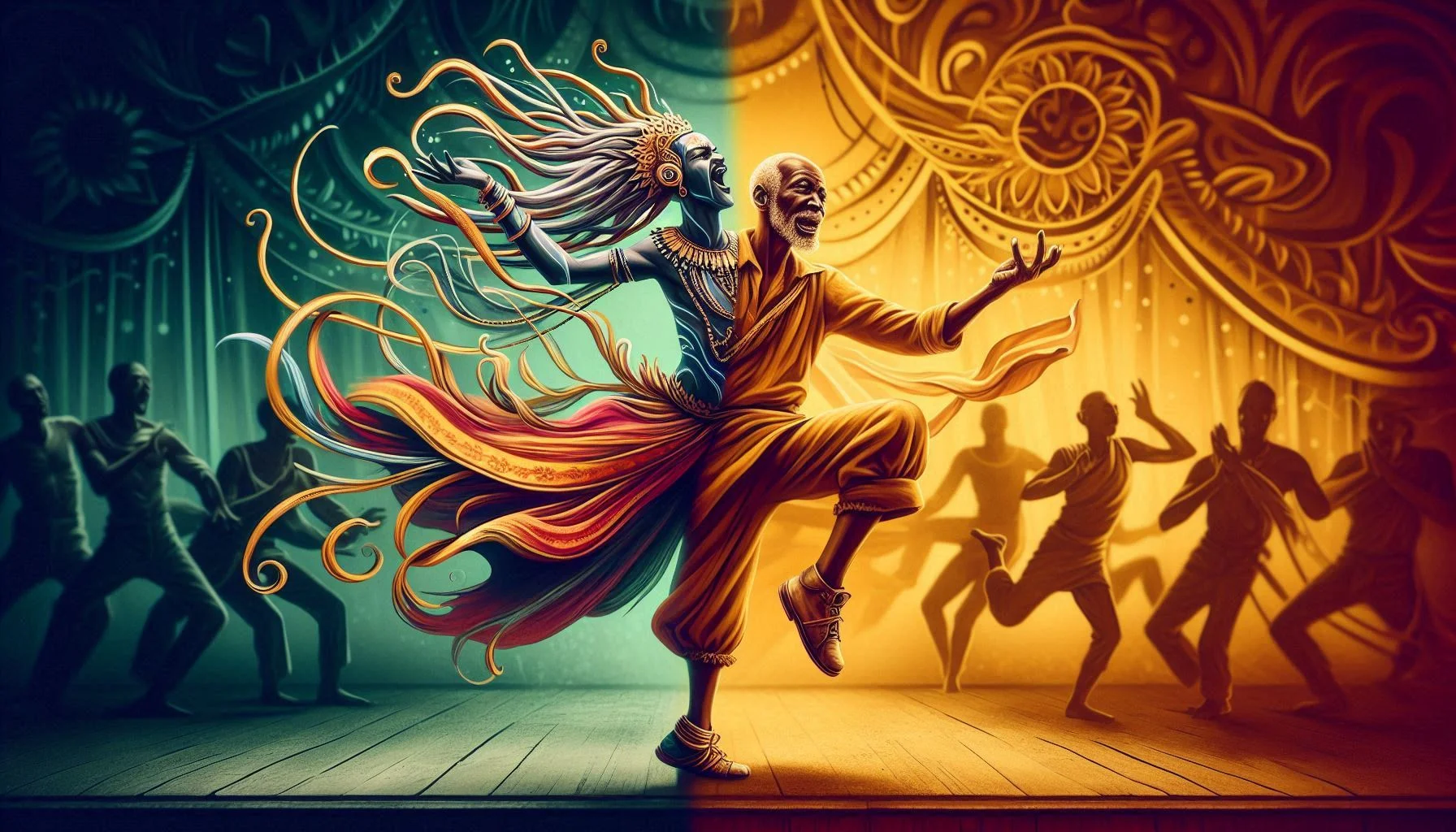
Natyadharmi and Lokadharmi! The classical Indian performing arts are renowned for their depth, symbolism, and ability to convey complex emotions. They do it through gestures, expressions, and storytelling.
Two of the most significant acting styles detailed in the ancient text Natya Shastra are Natyadharmi and Lokadharmi.
These styles form the backbone of classical Indian theatre, shaping how stories are presented on stage.
In this article, we will explore the intricacies of these styles. Also, we will compare their unique attributes, and discuss their continued relevance in modern performance art.

लोकधर्मी नाट्यधर्मी धर्मीति द्विविधः स्मृतः ।

भारती सात्वती चैव कैशिक्यारभटी तथा ॥ २४॥


lokadharmī nāṭyadharmī dharmīti dvividhaḥ smṛtaḥ |

bhāratī sātvatī caiva kaiśikyārabhaṭī tathā || 24||

Meaning:

The shloka introduces two primary dramatic styles, Lokadharmī and Nāṭyadharmī. They represent realism and stylization, respectively. It also mentions four dramatic modes or vṛttis—Bhāratī, Sātvatī, Kaiśikī, and Ārabhṭī. Each linked with different types of expression and thematic focus within dramatic performances.
We are here, follow us.
What is Lokadharmi?
Lokadharmi, derived from the Sanskrit words “Loka” (world) and “Dharmi” (mode), emphasizes naturalism. In Lokadharmi, actors mimic the real world, portraying characters, emotions, and situations. They resonate with the everyday lives of the audience.
The goal is to create a sense of realism and relatability[1]. Audiences should feel like they are watching a slice of life unfold before them, making the performance accessible and emotionally engaging.
Key Features of Lokadharmi:
- Realistic Representation: Lokadharmi actors strive to imitate real-life behaviors, gestures, and dialogue. The focus is on authenticity, whether it’s a domestic setting, a social issue, or family dynamics.
- Contemporary Relevance: This acting style is perfect for plays set in contemporary times. Here, the narratives mirror the society in which the audience lives.
- Emotional Connection: The realism in Lokadharmi fosters a deep emotional connection between the audience and the characters.

Example in Modern Theatre:
Arthur Miller’s Death of a Salesman is a brilliant example of Lokadharmi. It depicts the struggles of a family in post-World War II America. It has raw, honest emotions that strike a chord with viewers.
What is Natyadharmi?
In contrast, Natyadharmi is a stylized form of acting that embraces symbolism, exaggerated expressions, and theatrical elements[2]. Derived from “Natya” (drama) and “Dharmi” (mode)[4], this style creates a heightened sense of reality that goes beyond everyday life.
The goal here is to engage the audience on a more symbolic, artistic level. This allows for portraying mythological stories, grand historical events, and emotions that transcend ordinary human experience.
Key Features of Natyadharmi:
- Exaggeration and Symbolism: Natyadharmi utilizes stylized movements, gestures (Mudras), and facial expressions (Abhinayas) to convey a character’s emotions and actions. These can be larger-than-life, reflecting the divine or supernatural elements in mythological tales.
- Cultural and Mythological Themes: Natyadharmi is often employed in plays based on Indian epics like the Ramayana and Mahabharata. Here the characters are portrayed as heroic figures, gods, or demons.
- Artistic Flourish: Costumes, makeup, and stage props are integral to Natyadharmi. It helps to create an immersive and otherworldly experience for the audience.

Example in Indian Classical Dance:
The classical dance-drama form of Kathakali is an excellent example of Natyadharmi[3]. In Kathakali, actors use exaggerated facial expressions, vivid costumes, and stylized gestures to tell stories from Hindu epics. The performance is larger-than-life, filled with symbolic meaning. It requires the audience to suspend their disbelief to engage with the story.
Lokadharmi vs. Natyadharmi: A Comparison
| Lokadharmi | Natyadharmi |
| Realistic, natural portrayal of life | Highly stylized, exaggerated performances |
| Focuses on contemporary, relatable themes | Focuses on mythology, history, and grandeur |
| Emphasizes authenticity and simplicity | Emphasizes symbolism and artistic complexity |
| Appeals to emotional realism | Appeals to artistic interpretation |

The distinction between the two styles lies in their aesthetic foundations. Natyadharmi is rooted in classical traditions, prioritizing technical precision, emotional depth, and conveying complex sentiments (Rasa). They do it carefully through choreographed movements and expressions.
It demands a rigorous adherence to traditional techniques. As they often use elaborate costumes and sets to create a heightened sense of drama[5][6].
On the other hand, Lokadharmi draws inspiration from the vernacular and emphasizes authenticity in representing ordinary life. This approach is more adaptable, allowing performers to incorporate local elements, gestures, and stories that resonate with the audience[7].

Bharatanatyam Dance Costume Dress for Girls in Pink and Purple
This vibrant Bharatanatyam dance costume in pink and purple gives young dancers an authentic look for performances.
The color combination is fresh and playful while maintaining the elegant silhouette that Bharatanatyam requires.
Why Are These Styles Still Relevant?
Despite originating thousands of years ago, Lokadharmi and Natyadharmi continue to influence modern theatre and dance. Their relevance persists due to their flexibility in conveying human emotions and their capacity to adapt to various cultural contexts.
- Blending Realism and Symbolism: In modern theatre, both styles can be blended. For instance, a play will use Lokadharmi in its realistic portrayal of a family drama. But, will use Natyadharmi to enhance dream sequences or convey symbolic messages.
- Expanding Artistic Horizons: Directors and performers draw from both styles to enhance the dramatic impact. Natyadharmi allows for creative, non-realistic interpretations, making performances more visually engaging, while Lokadharmi ensures emotional depth.
- Cultural Preservation: By maintaining these styles, classical Indian performances like Bharatanatyam and Kathakali continue to preserve and celebrate cultural heritage. These art forms showcase the diversity of expression. It is either through the relatable characters in Lokadharmi or the divine beings in Natyadharmi.
Modern Adaptations and Global Influence
The principles of Lokadharmi and Natyadharmi have transcended cultural boundaries, influencing not just Indian theatre, but global performance art.
The interplay of realism and stylization is evident in contemporary avant-garde theatre. Here, the symbolic movements and dramatic exaggeration depict the intangible aspects of the human experience.
Similarly, in modern cinema, naturalistic acting often coexists with stylized visuals to create multi-layered narratives.
Frequently Asked Questions About Natyadharmi and Lokadharmi
Lokadharmi is a naturalistic style of acting that mimics everyday life and real-world behavior, making it relatable to the audience. Natyadharmi, on the other hand, is a stylized form that uses exaggerated gestures, symbolic actions, and dramatic elements to enhance theatrical performances, often seen in mythological and historical stories.
Lokadharmi refers to a realistic style of acting that portrays natural behavior, emotions, and situations, mirroring the world as it is. This style focuses on making the performance relatable and emotionally engaging by adhering to everyday human experiences.
According to the Natyashastra, Lokadharmi and Natyadharmi are two distinct styles of theatrical expression. Lokadharmi emphasizes natural, realistic portrayals of life, while Natyadharmi involves stylized, exaggerated representations designed to heighten dramatic effect and symbolism.
Both styles are important, but Natyashastra places significant value on Lokadharmi for its realistic portrayal of life. However, Natyadharmi is equally crucial for performances that need stylization, like mythological or epic narratives.
Natyadharmi is a stylized form of acting characterized by exaggerated gestures, symbolic representations, and dramatic expressions. It is often used in performances that involve mythological, historical, or larger-than-life characters and themes, offering a heightened sense of theatricality.
Share the article
Conclusion: Finding the Balance
Lokadharmi and Natyadharmi serve distinct purposes in the performing arts, each offering unique ways to connect with the audience.
Lokadharmi’s strength lies in its ability to reflect the every day, while Natyadharmi brings to life the extraordinary.
For today’s performers, understanding and mastering both styles provides a versatile toolkit to captivate audiences in various contexts.
About Natya-Shastra.in
At Natya-Shastra.in, our mission is to serve as a gateway to the illustrious world of the NāṭyaŚāstra, offering insights, resources, and a platform to delve deeper into the nuances of Indian performing arts. We aim to bring forth the richness of this ancient text, shedding light on the profound wisdom it holds and its everlasting influence on various artistic traditions.
We are here, follow us.
Disclaimer:
Affiliate Links: Some links may earn us a commission (at no cost to you). We only recommend helpful products.
NatyaShastra Glossary: Head over to the Natyashastra Glossary page to know the meaning behind Sanskrit terms used in the articles.
Images & Videos: Representational only, not exact depictions.
Knowledge Source & References: Inspired by ancient Natyashastra scriptures, open to interpretation.
Disclaimer: Educational only, not professional advice. Consult a qualified expert for specific needs.
Offer Your Expertise