Estimated reading time: 5 minutes
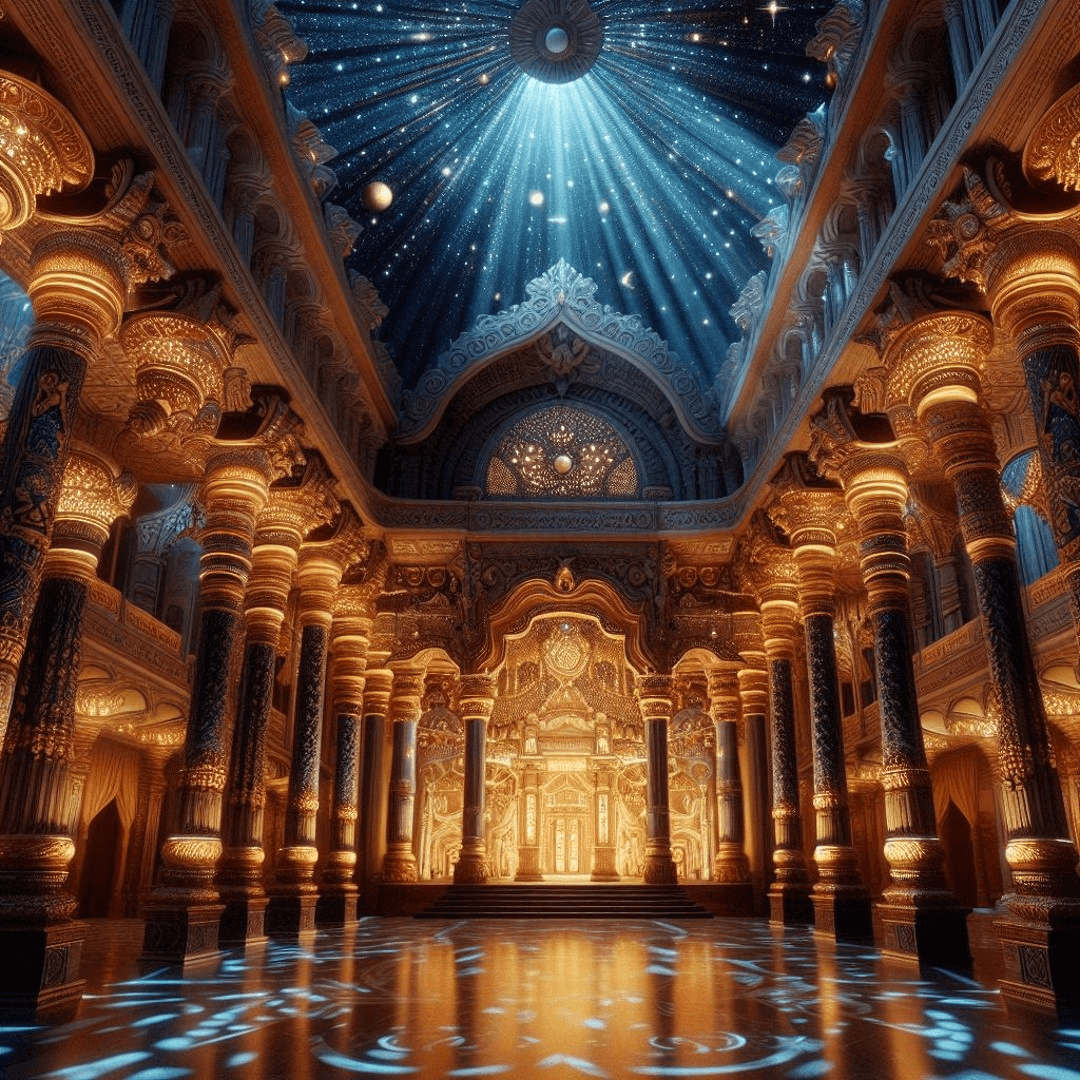
Natyashastra, the ancient Indian text, has provided valuable insights into various aspects of performing arts, including the playhouse. The Natyashastra playhouse forms an integral part of the Indian tradition of dramatic performance, holding a significant place in classical music, dance forms, and other art forms.
In this blog, we will explore the different types of playhouses, along with a detailed description of the three sizes.
Are you ready?
Let’s explore the fascinating world of the Natyashastra playhouse and discover its rich history and significance.

What is a Natyashastra Playhouse?
A Natyashastra playhouse is more than just a stage for performing arts. It is deeply rooted in the ancient Indian tradition of dramatic performance, which traces back to the Vedic times.
The playhouses described in the Natyashastra serve as a platform for artists to express themselves and captivate the audience through their performances.

Not a member yet?
It’s free for now
Different Types of Playhouse in Natyashastra
Imagine a playhouse envisioned by the heavenly architect himself, Vishvakarma. That’s the essence of the Natyashastra’s approach. The text details three distinct shapes for the playhouse, each catering to a unique experience:
- Oblong (Vikṛṣṭa): This elongated form likely offered a dynamic stage for movement and grand processions.
- Square (Caturaśra): Representing stability and balance – the square playhouse could have accommodated intimate performances focussing on dialogue and emotion.
- Triangular (Tryasra): This shape, associated with energy and dynamism, might have been suitable for high-octane productions with acrobatic feats and dramatic entrances.
We are here, follow us.
Three Sizes of Playhouse as Described in Natyashastra
The Natyashastra doesn’t limit itself to mere shapes. Each form comes in three sizes, catering to different audiences and purposes:
- Large (Jyeṣṭha): Imagine a colossal stage fit for celestial beings, a marvel of architecture reserved for grand, mythical performances.
- Middle-sized (Madhya): Designed for royalty, these playhouses were likely impressive yet intimate, catering to a select audience.
- Small (Avara): Accessible to all people, these smaller playhouses offered a more intimate experience, bringing the magic of theatre closer to everyday life.
Articles for you about Natya Shastra
- NatyaShastra: The Ancient Blueprint Of Storytelling
- Bharata Muni and the Sages Discuss the Soul of Natyashastra
- The Birth Of NatyaVeda
- Who Was Bharata Muni And His 100 Sons?
Share the article
Frequently Asked Questions
As per the Natyashastra, there are three types of playhouses: Oblong (Vikṛṣṭa), Square (Caturaśra), and Triangular (Tryasra). Each shape offers a unique experience to captivate the audience through varied performances.
A regular playhouse is a performance space, but a Natyashastra playhouse goes beyond that. It’s steeped in Indian tradition, considered a sacred space for artists, and designed to enhance the audience’s experience.
The Natyashastra details three distinct shapes for the playhouse: oblong (dynamic and grand), square (intimate and balanced), and triangular (energetic and dramatic).
Each of the three shapes comes in three sizes: large (meant for grand performances), middle-sized (for royalty), and small (accessible to a commoner).
The Natyashastra credits Vishvakarma, the divine architect, with envisioning the ideal playhouse.
The shapes offer clues! An oblong stage suggests movement and processions, while a square one might indicate a focus on dialogue. A triangular shape hints at high-energy acts.
Conclusion
In conclusion, a Natyashastra playhouse is not just a physical structure but a sacred space where art and spirituality converge. It provides a platform for performers to bring stories to life and elicit emotions from the audience.
The types of playhouses mentioned in the Natyashastra vary in design and purpose, ensuring that every performance is unique and immersive.
Additionally, the three sizes of playhouses allow for flexibility and accommodate different scales of production. Whether a small, intimate setting or a grand spectacle, the Natyashastra playhouse offers a holistic experience for performers and spectators.
So, let your imagination soar within the stage walls of a Natyashastra playhouse and witness the magic unfold before your eyes with sangeet natak performance art.
About Natya-Shastra.in
At Natya-Shastra.in, our mission is to serve as a gateway to the illustrious world of the NāṭyaŚāstra, offering insights, resources, and a platform to delve deeper into the nuances of Indian performing arts. We aim to bring forth the richness of this ancient text, shedding light on the profound wisdom it holds and its everlasting influence on various artistic traditions.
We are here, follow us.
Disclaimer:
Affiliate Links: Some links may earn us a commission (at no cost to you). We only recommend helpful products.
NatyaShastra Glossary: Head over to the Natyashastra Glossary page to know the meaning behind Sanskrit terms used in the articles.
Images & Videos: Representational only, not exact depictions.
Knowledge Source: Inspired by ancient Natyashastra scriptures, open to interpretation.
Disclaimer: Educational only, not professional advice. Consult a qualified expert for specific needs.

Offer Your Expertise