Estimated reading time: 6 minutes
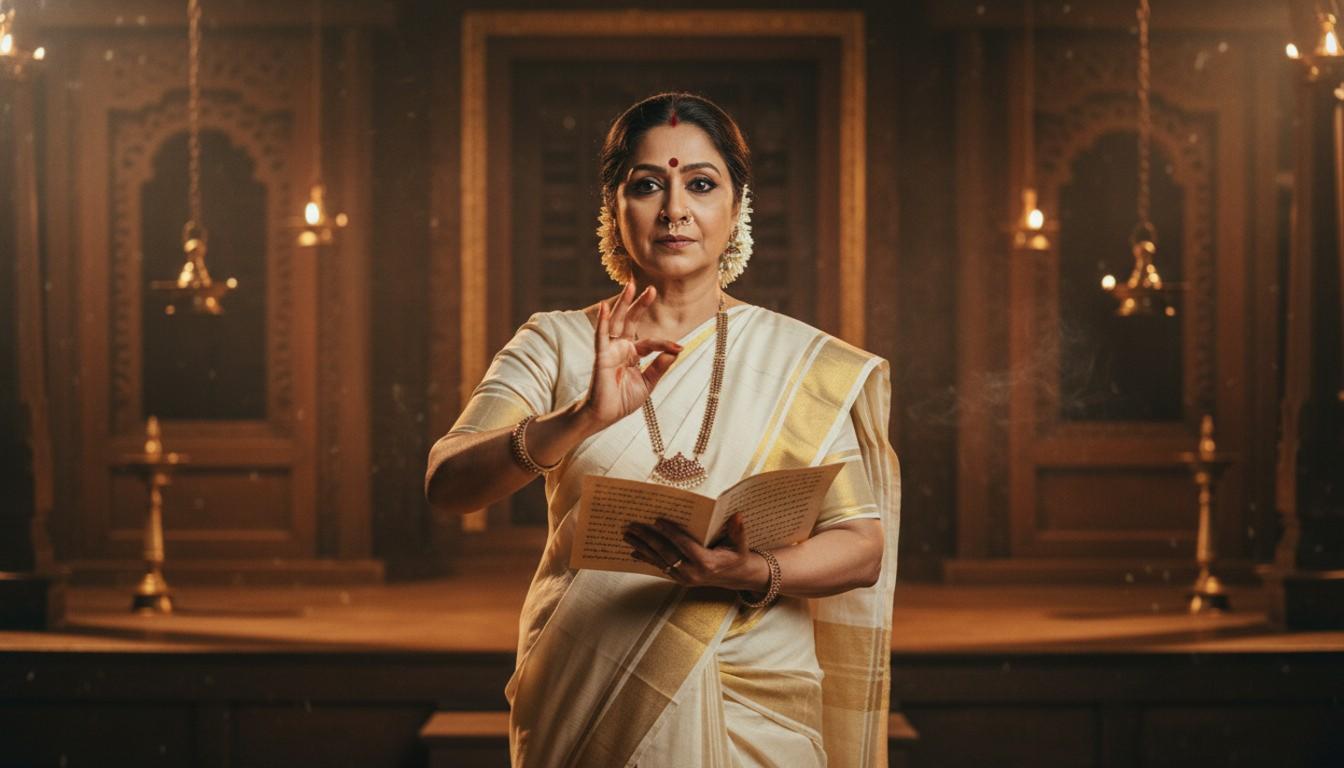
A performer shapes personality, status, and intention through words in alignment with movement. Natyashastra describes the modes of addressing women. The “address” you choose becomes abhinaya in sound. It signals hierarchy, intimacy, distance, affection and even conflict.

We are here, follow us.
Modes of addressing women
1. Female ascetics and goddesses
Term used: bhagavati (holy lady)
What this conveys: Reverence. Spiritual distance. Awe.
How to use it:
Use a gentle, lifted tone. Stay in a respectful posture. Your neck must stay relaxed with your eyes steady. Let the breath soften the word so it feels devotional.
Example:
A monk’s daughter enters in ochre robes. A courtier bows lightly and says, “Bhagavati, may I ask for your guidance.”

Get featured on this blog?
Share your videos and images of you performing classical dance!
We’d love to showcase your talent and passion for classical dance with the world. (with proper credits)
2. Wives of older people and respected elders
Term used: bhavati (lady)
What this conveys: Respect mixed with social distance.
How to use it:
Stand upright and keep your gestures minimal. Use a composed tone. The word should feel formal and polite.
Example:
An officer greets the elder wife of a minister: “Bhavati, the carriage is ready.”
3. Accessible women and older ladies
Accessible woman (gamyā)
Term used: bhadre (gentlewoman)
This suggests friendliness or social ease without disrespect.
How to use it:
A softer shoulder line works well. Combine warmth and restraint. Your tone stays pleasant.
Old lady
Term used: amba (mother)
How to use it:
Use warmth, humility and a small bow of the head. This creates affection and care.
Example:
“Amba, let me help you step down.”
Explore Samyuta and Asamyuta Hastas
4. King’s wives
Terms used by servants and attendants:
- bhaṭṭini (mistress)
- svāmini (madam)
- devi (lady)
The chief queen receives devi from everyone, including the king.
How to use it:
Use precise articulation. Keep the spine tall. Offer a slight angling of the torso or a respectful glance. These titles signal power and refined status.
Practical note:
Avoid overemphasis. Royal etiquette is quiet, confident and contained.
5. Unmarried princesses
Term used: bhartṛ-dārikā (young mistress)
How to use it:
The tone should be bright. Add a touch of playfulness. Let the body stay supple and agile.
Example:
A handmaid calls out, “Bhartṛ-dārikā, the garden needs you this morning!”
6. Sisters
- Elder sister: bhagini (sister)
- Younger sister: vatse (child)
How to use it:
For bhagini, use affection and gentle dignity.
For vatse, soften the eyes and let the voice dip with care.
Example:
“Vatse, stay close. The path gets narrow.”
7. Brahmin lady, nun or female ascetic
Term used: ārye (noble lady)
What this conveys: Respect for knowledge and discipline.
How to use it:
Carry a composed stance. The word should be crisp, steady and free of flirtation.
8. Addressing one’s wife
Terms used:
- ārye
- Or by her father’s or son’s name
How to use it:
Tone varies depending on context. In daily conversation, keep the voice relaxed and equal. Using relational terms expresses household culture.
Example:
“Arye, shall we sit for dinner?”
“Mother-of-Kumāra, the guest has arrived.”
9. Women addressing their equals
Term used: halā (hallo)
What this conveys: Ease and openness within friendships.
How to use it:
Let the gesture open outward. The voice can rise slightly. This address creates instant familiarity and warmth.
Example:
Two friends meet after a long journey: “Halā! Come here!”
10. A handmaid
Term used by a superior woman: haṃ-je (hey child)
How to use it:
Use authority without sharpness and avoid harshness. A quick tilt of the chin helps.
Example:
“Haṃ-je, bring the lamp.”
11. A courtesan
Terms used:
- By her attendants: Ajjukā
- When old: Attā
How to use it:
Courtesans often hold social intelligence. Speak the name with friendly grace. When addressing an older courtesan, use a gentler tone, acknowledging her seniority.
Example:
“Ajjukā, the musicians have arrived.”
“Attā, they await you inside.”
12. Wife in love-making
Term used: priye (my dear)
Used by all except the king. Priests’ and merchants’ wives continue to receive ārye.
How to use it:
Keep the word soft and rounded with tenderness. Let the breath slow down slightly.
Example:
“Priye, stay a moment.”
Practice methods for dancers and actors
Voice
Choose controlled breath and clean articulation. Each title has a distinct vowel shape. Practice them slowly first, then with movement.
Gesture
Small gestures work really well here. A lowered palm for elders. A graceful upward motion for royalty. A casual flick for equals. Match gesture to hierarchy.
Spatial distance
Stand closer for halā or vatse. Keep more distance while saying bhagavati, devi or ārye.
Emotional tone
Let the rasa guide the colour of the voice. Stay serene for ascetics. Show warmth for sisters. And use authority for queens.
Frequently Asked Questions
Because each form of address signals hierarchy, emotion, and social context. This helps the audience understand relationships instantly.
Repeat each address with three variations: neutral, affectionate and formal. Add basic hastas to feel the shift in intention.
Yes. They appear across theatre, storytelling and dance-based abhinaya to keep characterisation consistent.
Yes. The meaning can stay constant even when the staging style is contemporary.
Ārye, bhagini, devi and priye appear frequently because they show respect, affection or intimacy.
Share the article
Final thoughts
These modes of addressing women offer precision. They reveal age, power, affection, and social codes. When dancers and actors apply them correctly, characters gain depth. Your stories will feel rooted. And audiences sense authenticity.
Use these forms in rehearsals. Try them in front of a mirror. Notice how your body changes with each word. The shift is small, but it shapes the entire scene. Practice well.
About Natya-Shastra.in
At Natya-Shastra.in, our mission is to serve as a gateway to the illustrious world of the Natyashastra. We offer insights, resources, and a platform to delve deeper into the nuances of Indian performing arts.
Also, we aim to bring forth the richness of this ancient text. We try to shed light on the profound wisdom it holds and its everlasting influence on various artistic traditions.
We are here, follow us.
Disclaimer:
Affiliate Links: Some links earn us a commission (at no cost to you). We only recommend helpful products.
NatyaShastra Glossary: Head over to the Natyashastra Glossary page to know the meaning behind Sanskrit terms used in the articles.
Images & Videos: Representational only, not exact depictions.
Knowledge Source & References: Inspired by ancient Natyashastra scriptures, open to interpretation.

Offer Your Expertise