Estimated reading time: 4 minutes
In the Natya Shastra, while the rishis talk about the Angaharas consisting of different Karanas, Bharata describes two types of preliminaries performed before a play:
Pure preliminaries and Mixed (citra – read as Chitra) preliminaries.

Pure Preliminaries
These are performed without the accompaniment of specific dance forms mentioned in the Natyashastra: Vardhamanaka, Āsārita, Gita, and Mahagita.
We are here, follow us.
Mixed (Citra) Preliminaries
Mixed preliminaries combine the pure preliminaries with elements from these dance forms:
Vardhamanaka
Vardhamanaka is a performance where the tempo and complexity increase gradually. The word translates to “increasing.” In the Natyashastra, Bharata explains how this is achieved through the use of more syllables (Akṣaras) in the performance.
Āsārita
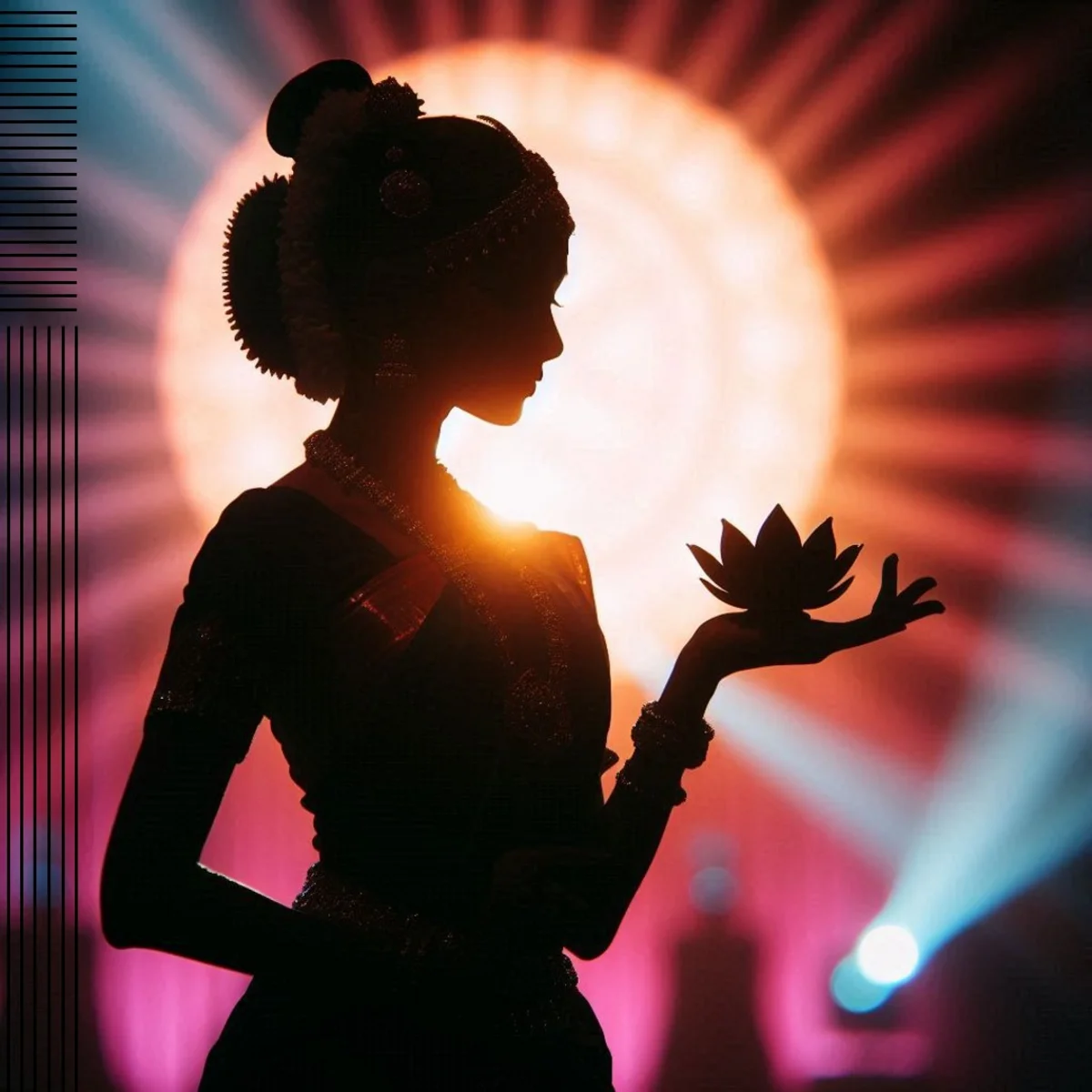
Āsārita is a specific dance performance within a drama. After setting up musical instruments, a female dancer enters the stage with accompaniment (string and drum instruments).
The music follows specific rules of rhythm and melody (Karaṇa and Jati). The dancer performs steps (Cārī) and hand gestures while holding flowers.
The music stops for sung parts of the performance but resumes for instrumental interludes focusing on hand and body movements (Angahaaras).
The drums maintain the rhythm and highlight different aspects of the dance.
Meanwhile, other dancers form Pindi’s. Read more on Pindibandha’s here.

Get featured on this blog?
Submit your videos and images of you performing classical dance!
We’d love to showcase your talent and passion for classical dance with the world.
Gita
Songs used in the drama. There are two types of songs mentioned:
- Vastu: Songs with a specific subject matter.
- Angas: Songs composed using body parts (limbs) as metaphors.
Mahagita
Mahagita vaguely suggests longer songs or song sequences.
Articles for you about NatyaShastra
- NatyaShastra: The Ancient Blueprint Of Storytelling
- Bharata Muni and the Sages Discuss the Soul of Natyashastra
- Three Definitions Of Natya (Drama)
- The Birth Of NatyaVeda
- Who Was Bharata Muni And His 100 Sons?
- The Birth of the Apsaras for the Kaishiki Style
- The Origins of Indian Theatre as per NatyaShastra
- Pindibandha: India’s Ancient Group Dance Technique As Explained In Natyashastra
- Angaharas: The Building Blocks of Indian Classical Dance
- Samyuta Hastas: 24 Double Hand Gestures as per Shastras
- Asamyuta Hastas: 28 Single Hand Gestures as per Shastras
- How is Samavakāra conducive to Dharma (duties), Kama (Desires), and Artha (Wealth)?
- The Essence of NatyaVeda (NatyaShastra)
- Natyashastra Playhouse: Types and Sizes
Share the article
Frequently Asked Questions
The Natya Shastra describes two types of preliminaries:
Pure Preliminaries: Performed without specific dance forms.
Mixed (Citra) Preliminaries: Combine pure preliminaries with elements from dance forms like Vardhamanaka and Asaarita.
While details are not explicitly mentioned, preliminaries likely served to:
– Warm up the audience: Prepare them for the play through music and dance.
– Set the mood: Establish the tone and theme of the upcoming performance.
– Showcase the performers’ skills: Allow actors and dancers to demonstrate their talent.
Conclusion
The concept of pure and mixed preliminaries in Natya Shastra highlights the importance placed on pre-performance rituals and artistic preparations.
These preliminaries not only set the stage for the play but also offered a glimpse into the various performance elements the audience could expect.
Understanding these concepts provides a deeper appreciation for the structure and artistry of ancient Indian theater.
About Natya-Shastra.in
At Natya-Shastra.in, our mission is to serve as a gateway to the illustrious world of the NāṭyaŚāstra, offering insights, resources, and a platform to delve deeper into the nuances of Indian performing arts. We aim to bring forth the richness of this ancient text, shedding light on the profound wisdom it holds and its everlasting influence on various artistic traditions.
We are here, follow us.
Disclaimer:
Affiliate Links: Some links may earn us a commission (at no cost to you). We only recommend helpful products.
NatyaShastra Glossary: Head over to the Natyashastra Glossary page to know the meaning behind Sanskrit terms used in the articles.
Images & Videos: Representational only, not exact depictions.
Knowledge Source & References: Inspired by ancient Natyashastra scriptures, open to interpretation.
Disclaimer: Educational only, not professional advice. Consult a qualified expert for specific needs.
Offer Your Expertise