Estimated reading time: 7 minutes
Pravrittis! Natyashastra outlines two central concepts, Pravritti and Vritti. They define the regional variations in dramatic presentation and the styles used to convey emotion, behavior, and cultural nuance.
We will today understand the meaning of Pravrittis, types, and importance of the concepts in crafting realistic and relatable performances. For details about Vrittis, check out our detailed article.

Understanding Pravrittis
Pravritti is an essential element that inform the portrayal of characters and scenes in Indian drama. Vritti relates to the manner of expression and performance style. Pravritti focuses on the local customs, language, and attire of different Indian regions.
Together, they bring authenticity to the performance, engaging audiences by reflecting their own cultural traits on stage.

चतस्रो वृत्तयो ह्येता यासु नाट्यं प्रतिष्ठितम् ।
आवन्ती दाक्षिणात्या च तथा चैवोढ्रमागधी ॥ २५॥
catasro vṛttayo hyetā yāsu nāṭyaṃ pratiṣṭhitam |
āvantī dākṣiṇātyā ca tathā caivoḍhramāgadhī || 25||
Meaning:
“These are the four styles in which theater is established: Avanti, Dakṣinātya, Oḍra, and Māgadhī.” These styles represent regional characteristics that are essential to the tradition and variation in nāṭya performances.
We are here, follow us.

पाञ्चालमध्यमा चेति विज्ञेयास्तु प्रवृत्तयः ।
दैविकी मानुषी चैव सिद्धिः स्याद्द्विविधैव तु ॥ २६॥
pāñcālamadhyamā ceti vijñeyāstu pravṛttayaḥ |
daivikī mānuṣī caiva siddhiḥ syāddvividhaiva tu || 26||
Meaning:
Pañcāla and Madhyamā: These represent further approaches or regional influences in theatrical tradition. Also, complementing the four primary vṛittis from the earlier verse.
Siddhi (Success): Success in drama or performance can be classified as either divine (accomplished by grace, fate, or supernatural intervention) or human (achieved through skill, effort, and human qualities).
What is Pravritti?
Pravrittis are the regional behaviors and customs specific to different parts of ancient India. These are detailed guidelines on speech, dress, and customs for each region, ensuring characters resonate with local audiences.
With a detailed understanding of Pravritti, directors and playwrights can tailor their productions to show the social and cultural nuances of a particular region. This makes the performance more accessible and impactful.
Key Characteristics of Pravrittis
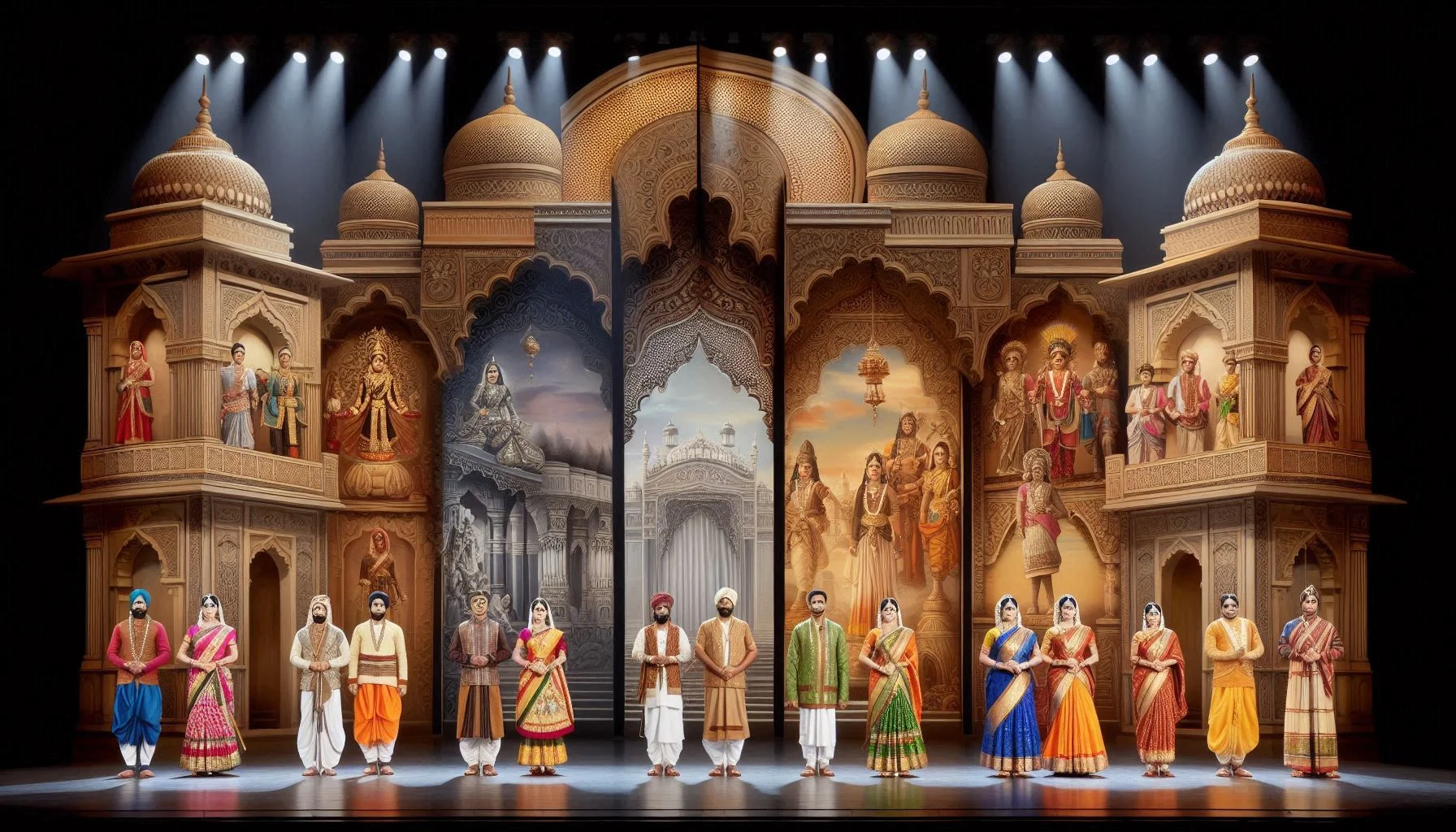
- Regional Division: Bharata divided India into four cultural zones: South (Dakshinatya), West (Avanti), East (Audhra/Odra Magadhi), and North (Pancala Madhyama). Each zone has distinctive features in terms of language, attire, and customs.
- Realistic Representation: Through Pravrittis, characters speak local dialects, wear regional costumes, and show behaviors specific to their geographic background. This makes the drama feel authentic and relatable.
- Social and Cultural Reflection: Pravritti ensures that the drama reflects local traditions, social norms, and public behavior. This enables audiences to see their own lives reflected in the performance.

Get featured on this blog?
Share your videos and images of you performing classical dance!
We’d love to showcase your talent and passion for classical dance with the world.
Types of Pravritti in Natyashastra
Time needed: 5 minutes
Bharata describes 4 regional pravrittis.
- Dakshinatya Pravritti (Southern Region)
Description: Encompasses regions south of the Vindhya mountains, including Kosala, Yavana, and Maharashtra.
Characteristics: Known for elaborate dance, music, and graceful gestures. Dakshinatya Pravritti emphasizes the Kaisiki Vritti style, characterized by soft, delicate expressions suited to dramatic works focused on beauty and emotion. - Avanti Pravritti (Western Region)
Description: Covers regions like Saurashtra, Malava, and Vidisa.
Characteristics: Avanti Pravritti incorporates both Sattvati and Kaisiki Vrittis, appealing to audiences who appreciate grand, graceful presentations with a balance of expressive and controlled gestures. - Audhra/Odra Magadhi Pravritti (Eastern Region)
Description: Encompasses areas such as Anga, Vanga, and Magadha.
Characteristics: This Pravritti style favors expressive and rhetorical language, suiting dramas rich in dialogues. The style brings out intense emotions and incorporates regional dialects that enrich the storytelling experience. - Pancala Madhyama Pravritti (Northern Region)
Description: Includes regions near the Himalayas and the Ganges, like Pancala and Surasena.
Characteristics: It emphasizes Sattvati and Arabhati Vrittis, balancing between formal presentation and robust, energetic action, making it well-suited for tales involving heroism or valor.
Each Vritti aligns with different Pravrittis to create a realistic yet culturally rich performance that resonates with specific audiences.
Customization of Pravritti in Staging and Performance
For instance, characters from the southern regions would display a preference for music and dance, aligning with Dakshinatya Pravritti and Kaisiki Vritti. Conversely, in northern performances, characters might embody valor, favoring Pancala Madhyama Pravritti and Arabhati Vritti.
Directors can make concessions in staging, speech, and costumes to meet local expectations, enhancing realism and audience enjoyment.
Why Pravritti and Vritti Matter in Modern Performances
Although created in ancient times, the principles of Pravritti and Vritti are still applicable in modern drama and cinema. Productions that respect cultural nuances and represent diversity in speech, dress, and mannerisms resonate more deeply with audiences.
For example, contemporary filmmakers often integrate regional dialects, settings, and customs into their narratives to show India’s cultural diversity.
Practical Application: Key Takeaways for Directors and Playwrights
- Audience Connection: Use regional dialects and customs to make the drama relatable and immersive.
- Cultural Sensitivity: Respect regional variations in dress, language, and behavior for realistic portrayals.
- Adaptable Staging: Adjust staging, costumes, and language to show local preferences, as per Natyashastra‘s recommendations.
- Balanced Presentation: Blend different Vrittis as needed to convey complex themes and emotions effectively.
Related Articles
- What is Samgraha, Karika, Nirukta, Sutra, and Bhasya?
- Seven Prakrits Mentioned in Natyashastra
- Eight Sentiments (Rasa): Natyashastra’s Essence on Human Emotions
- 2024 Exam Dates- DR.GANGUBAI HANGAL MUSIC & PERFORMING ARTS UNIVERSITY
- Two Kinds of Preliminaries in Classical Indian Dance
- Recaka in Indian Classical Dance: Nuances of Movement
- Pindibandha: India’s Ancient Group Dance Technique As Explained In Natyashastra
FAQs on Pravritti and Vritti in Natyashastra
Pravritti refers to the regional customs, dress, and behaviors specific to different parts of India, influencing how characters are portrayed in drama. Vritti, on the other hand, relates to the style or manner of expression used in performances, such as Bharati (verbal), Sattvati (noble), Kaisiki (graceful), and Arabhati (vigorous).
Incorporating regional dialects, attire, and mannerisms, Pravritti helps make characters more relatable to local audiences. This realism fosters a stronger connection and resonance with viewers, as they see their own cultural nuances reflected on stage.
Bharata classified Pravritti into four regions (Southern, Western, Eastern, and Northern) to account for the cultural diversity across India. This division ensures that performances can accurately represent the unique customs and behaviors of each region.
Directors can use Pravritti and Vritti by adapting costumes, language, and gestures to show regional traditions. This approach makes performances culturally accurate and engaging, even for contemporary audiences.
Blending Vrittis like Bharati for dialogue-heavy scenes or Arabhati for action sequences helps convey a range of emotions and themes effectively. This versatility allows for a more dynamic and impactful performance, appealing to varied audience preferences.
Share the article
Final Thoughts
Pravrittis are instrumental in bringing authenticity and cultural resonance to dramatic performances.
After understanding and integrating these concepts, directors, actors, and playwrights can create rich, realistic portrayals that captivate audiences across regions.
Bharata’s insight into human diversity in performance arts remains a timeless guide for creating engaging, culturally nuanced drama that honors India’s artistic heritage.
About Natya-Shastra.in
At Natya-Shastra.in, our mission is to serve as a gateway to the illustrious world of the NāṭyaŚāstra. We offer insights, resources, and a platform to delve deeper into the nuances of Indian performing arts.
Also,we aim to bring forth the richness of this ancient text, shedding light on the profound wisdom it holds and its everlasting influence on various artistic traditions.
We are here, follow us.
Disclaimer:
Affiliate Links: Some links may earn us a commission (at no cost to you). We only recommend helpful products.
NatyaShastra Glossary: Head over to the Natyashastra Glossary page to know the meaning behind Sanskrit terms used in the articles.
Images & Videos: Representational only, not exact depictions.
Knowledge Source & References: Inspired by ancient Natyashastra scriptures, open to interpretation.
Disclaimer: Educational only, not professional advice. Consult a qualified expert for specific needs.

Offer Your Expertise